Top 10 Frequently Asked Questions About Arabic Calligraphy Answered

Arabic calligraphy is a captivating art form that combines beauty, culture, and history.
Many people are drawn to its elegant curves and intricate designs but often have questions about its origins, styles, and techniques.
This post answers the most common questions about Arabic calligraphy, helping you understand this unique artistic tradition better.
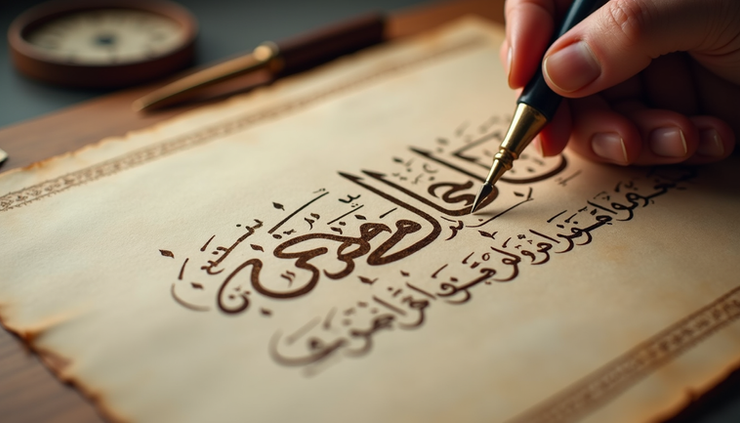
What is Arabic Calligraphy?
Arabic calligraphy is the artistic practice of handwriting and calligraphy based on the Arabic script.
It is more than just writing; it is a form of visual art that expresses cultural and religious identity.
Arabic calligraphy has been used historically to decorate mosques, manuscripts, coins, and everyday objects.
How Did Arabic Calligraphy Originate?
Arabic calligraphy developed alongside the spread of Islam in the 7th century.
Early Muslims valued the Quran, and calligraphy became a way to preserve and beautify the holy text.
Over centuries, calligraphy evolved into various styles, influenced by regional cultures and artistic trends.
What Are the Main Styles of Arabic Calligraphy?
There are several recognized styles, each with unique characteristics:
Kufic: The oldest style, known for its angular and geometric shapes. Often used in early Quran manuscripts.
Naskh: A cursive and readable style, commonly used in printed Arabic texts today.
Thuluth: Large, elegant, and decorative, often used in architectural inscriptions.
Diwani: Highly decorative and complex, used historically in Ottoman court documents.
Ruq’ah: Simple and quick to write, used for everyday handwriting.
Each style serves different purposes and reflects different historical periods.
What Tools Are Used in Arabic Calligraphy?
Traditional Arabic calligraphy uses specific tools:
Qalam: A reed pen cut to a specific angle to create thick and thin strokes.
Ink: Usually black, but colored inks are also used for decoration.
Paper or Parchment: High-quality surfaces that absorb ink well.
Modern calligraphers may also use brushes or digital tools, but the qalam remains central to traditional practice.
Is Arabic Calligraphy Only Used for Religious Texts?
While Arabic calligraphy has strong ties to Islamic art, it is not limited to religious texts. Artists use it to write poetry, proverbs, and even modern phrases.
Calligraphy appears in various contexts, from decorative art pieces to logos and tattoos.
How Can Beginners Learn Arabic Calligraphy?
Starting with Arabic calligraphy requires patience and practice. Here are some tips:
Learn the Arabic alphabet and basic letter shapes.
Study different calligraphy styles and choose one to focus on.
Practice with a qalam or calligraphy pen on lined paper.
Copy works of master calligraphers to understand stroke order and flow.
Consider taking classes or following online tutorials.
Consistency and attention to detail are key to progress.
Can Arabic Calligraphy Be Digital?
Yes, digital tools have made Arabic calligraphy more accessible.
Artists use graphic tablets and software like Adobe Illustrator to create calligraphic designs.
However, digital calligraphy often aims to replicate the fluidity and expressiveness of traditional pen strokes, which requires skill and understanding of the art form.
What Makes Arabic Calligraphy Different from Other Calligraphy Styles?
Arabic calligraphy stands out because of its connection to the Arabic language and Islamic culture.
Its letters connect in flowing ways, creating continuous lines that can be shaped into complex patterns.
Unlike Latin calligraphy, Arabic script is written right to left and has more letter forms depending on their position in a word.
How Is Arabic Calligraphy Used in Modern Design?
Arabic calligraphy has found a place in contemporary art and design:
Graphic design: Logos, posters, and branding often incorporate calligraphic elements.
Fashion: Calligraphy appears on clothing and accessories.
Architecture: Modern buildings sometimes feature calligraphic motifs.
Home décor: Wall art and ceramics use calligraphy for aesthetic appeal.
This blend of tradition and modernity keeps the art form alive and relevant.
What Cultural Significance Does Arabic Calligraphy Hold?
Arabic calligraphy is a symbol of cultural pride and religious devotion.
It connects people to their heritage and history.
In many Muslim communities, calligraphy is a way to honor the Quran and express spirituality.
Beyond religion, it also represents artistic achievement and identity.
Follow me on instagram https://www.instagram.com/ayeshacalligraphy


Comments